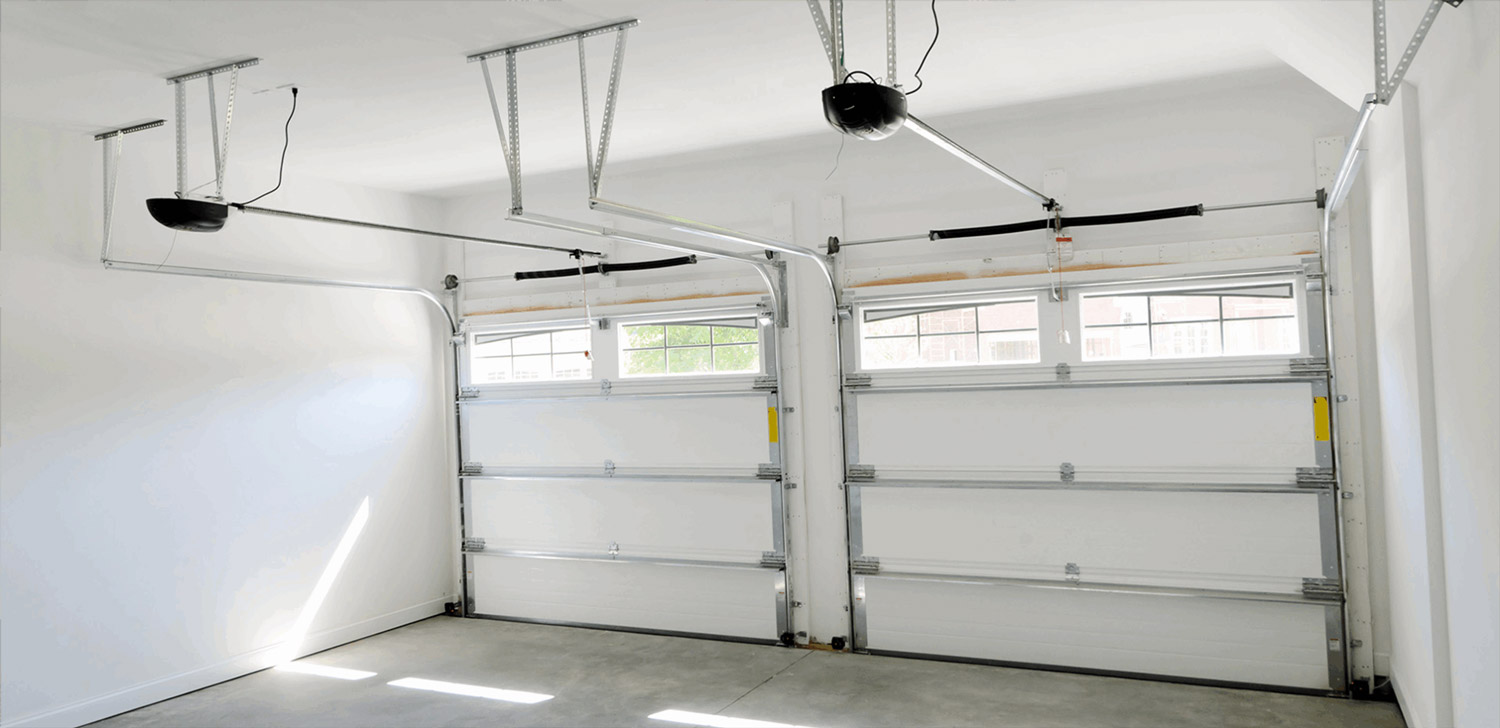
Bent Garage Door Tracks
Precision Cable Spooling for Flawless Door Balance
Protect Your System From Uneven Lifting and Track Jams
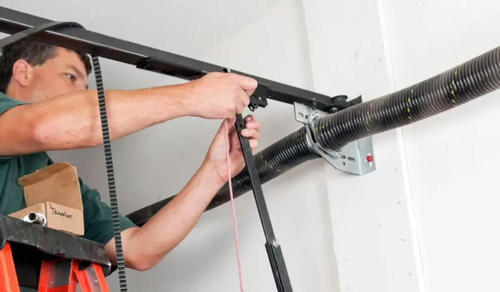
Garage door drums act as the essential spools that wind up the high-tension cables as your door opens. If a drum becomes cracked, warped, or accumulates debris, the cables will slip, wind unevenly, or wrap over themselves. This minor alignment issue quickly turns into a major headache, causing the door to twist, jam in the tracks, or put dangerous stress on your garage door opener.
At All Four Seasons, our expertly trained technicians understand the exact tolerances required for proper drum alignment. Because the drums are under intense tension from the spring system, replacing them requires specialized tools and expert handling. We will carefully balance your door, inspect the shaft, and install heavy-duty replacement drums to ensure flawless, level operation every single time.
Is your garage door lifting unevenly? Avoid a costly track jam or snapped cable. Call All Four Seasons today at (678) 981-8454 for precision drum replacement in the Atlanta area.
Common Problems With Garage Door Tracks & Rails
As sturdy and dependable as your home's overhead door system is, the metal tracks undergo immense pressure daily. Over time, normal wear and tear or unexpected accidents can cause severe damage.
If your door is acting up, here are the most common garage door track problems Atlanta homeowners face:
Bent or Twisted Tracks: Frequently caused by accidental vehicle impacts or heavy structural loads, bent tracks can cause rollers to jam. This leads to a shaking door or, in worst-case scenarios, a completely derailed garage door.
Loose Mounting Brackets: The brackets securing your steel tracks to the walls or ceiling can loosen over time due to continuous vibration. This causes track shifting, misalignment, and unsafe operation.
Misaligned Tracks: If your horizontal and vertical tracks are not perfectly straight, parallel, and balanced, you will notice grinding noises, uneven movement, or a garage door that struggles to open and close.
Rust, Corrosion, and Debris Build-Up: Dirt accumulation or rust restricts the rollers from gliding smoothly. This creates friction, puts an automatic opener under heavy strain, and causes sticky, noisy door movement.
If your residential garage door isn’t operating smoothly, it’s time to inspect the alignment. Don’t wait until a cable snaps or the door collapses! Call All Four Seasons today at (678) 981-8454 to schedule our professional garage door inspection and tune-up. Our expert Atlanta technicians will catch small track alignment issues before they turn into expensive emergency repairs.
How Much Does Garage Door Track Replacement Cost
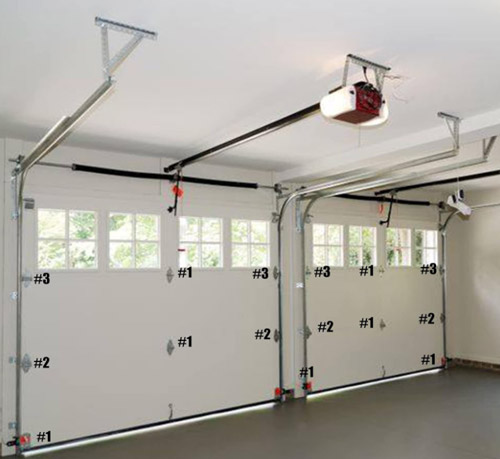
The cost of replacing garage door rails varies based on several distinct factors, including the door’s size, overall weight, track configuration, and the labor required for your specific layout. Generally, expenses depend on:
Track Parts: The cost of purchasing the raw metal track channels per side.
Full Replacement Service: Comprehensive packages that include both the specialized hardware and professional labor.
Custom or Specialty Tracks: Advanced setups, such as high-lift tracks or custom architectural installations designed for unique garage spaces.
Pro Tip: If you notice your garage door is off-track, avoid using it. Continuing to operate a door with damaged tracks puts immense strain on your garage door opener, warps the panels, and ruins the rollers—rapidly driving up your total repair bill.
Need an honest, upfront estimate? Contact the team at All Four Seasons for a transparent breakdown tailored to your home.
Garage Door Track Terminology
While "tracks" is the standard industry term, you might hear technicians or parts manufacturers use these LSI terms interchangeably:
Garage Door Rails: The heavy-duty metal channels that guide the door during its opening and closing cycles.
Overhead Door Tracks: The ceiling-mounted horizontal sections that support the weight of the door when it is fully open.
Door Guide Rails: The vertical sections running up the sides of your garage frame that keep the door properly aligned.
Lift Tracks: The complete structural framework responsible for carrying the door's weight during transition.
Safe & Professional Garage Door Off-Track Repair in Atlanta
Damaged or misaligned tracks compromise your home's security, strain your automatic opener, and shorten the lifespan of every moving part. For your safety, track replacement and off-track garage door repairs should always be handled by a certified professional due to the high-tension springs involved.
At All Four Seasons, we offer precision track replacements tailored to your specific garage setup:
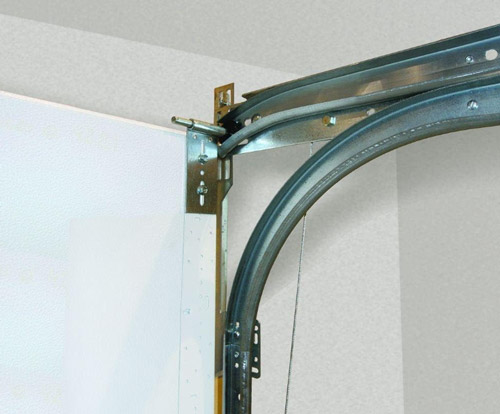
Vertical Track Replacements: Involves replacing the straight side-tracks attached to the wall framing.
Horizontal Track Replacements: Involves replacing the curved overhead tracks that run along your ceiling.
Total System Service: A complete overhaul of both sets of tracks to guarantee flawless balance.
Because your garage door’s weight and size dictate the exact hardware needed, we recommend speaking directly with our local team. With precise installation, laser-level alignment, and a dedication to safety, we will restore quiet, reliable operation to your home.
FAQ Bent Garage Door Tracks
Don't see your question? Call us — honest answers, no sales pressure.