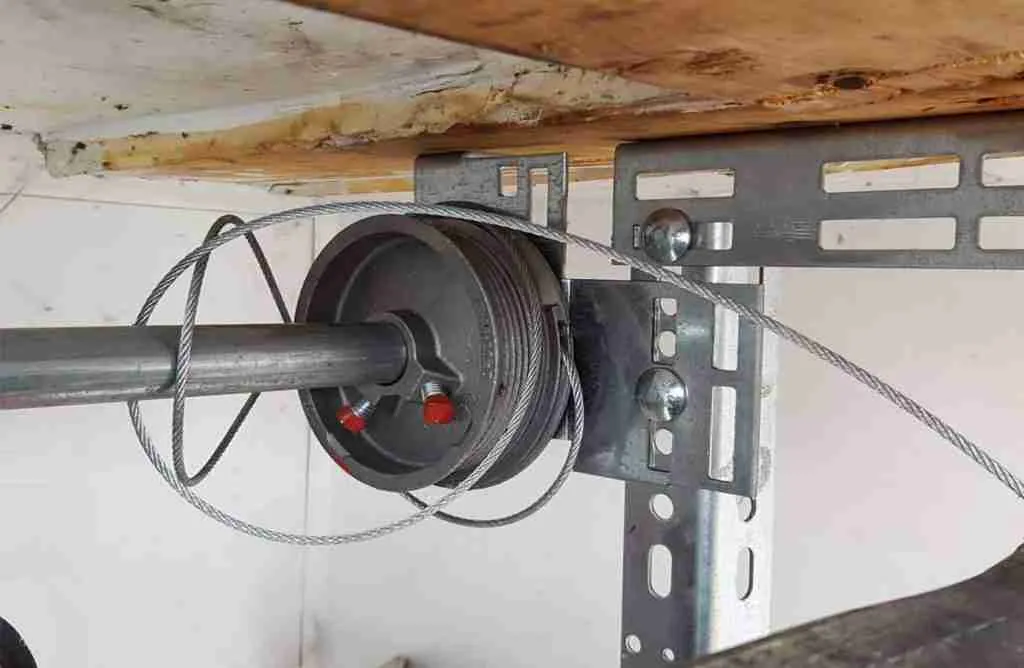
Cable Repair
Safe and Secure High-Tension Cable Solutions
Restore Balance and Prevent Sudden Door Drops
Garage door cables work directly with your springs to lift and lower hundreds of pounds of steel safely. When these cables fray, rust, or slip off the drums, the entire weight of the door transfers unevenly. This creates a severe safety hazard that can slam the door down unexpectedly or permanently warp your tracks. At All Four Seasons, we treat compromised cables as an urgent priority for Atlanta homeowners.
Replacing or resetting high-tension cables is incredibly dangerous without the proper training and tools. Our fully qualified technicians understand the physics behind your door's counterbalance system. We quickly diagnose why the cable failed, install heavy-duty replacements, and perfectly balance your door so it operates smoothly and safely once again.
Are your cables loose or frayed? Do not risk a sudden door collapse. Call All Four Seasons right now at (678) 981-8454 to have our expert Atlanta team handle it safely.
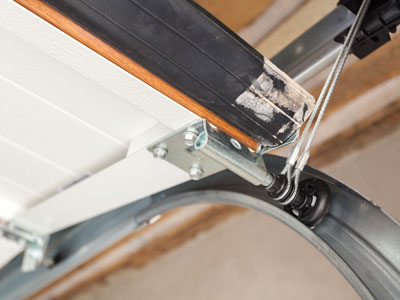
Signs You Need to Replace or Repair Garage Door Cables
If one or both of your garage door cables have snapped, stop using your overhead door immediately and call All Four Seasons Garage Doors at (678) 981-8454. A broken garage door cable is a serious safety hazard and requires immediate attention. Ideally, you’ll catch the warning signs before a complete failure happens.
To prevent a total breakdown, routinely inspect your system for these common indicators that your cables need professional repair or replacement:
Misaligned Garage Door: If your garage door lurches, looks crooked, has fallen off its tracks, or makes a scraping noise when opening, it is likely misaligned. This imbalance puts immense strain on your cables, meaning you will likely need to replace one or both of them.
Worn or Malfunctioning Bearings: When the garage door bearings fail to rotate smoothly, they create friction that prematurely wears down the steel cables. If you hear persistent squeaking, grinding, or squealing noises, it’s time to check the bearings and replace frayed cables.
Sagging or Loose Cables: If you notice your garage door cables hanging loose or failing to wind correctly around the cable drums, your torsion spring may have lost tension or snapped. In this scenario, replacing both cables is essential to restore proper balance.
A Sudden Loud Bang: Hearing a loud bang from your garage followed by a door that refuses to open usually indicates a snapped garage door spring. The violent force of a spring breaking stretches, weakens, and damages the lifting cables, requiring a full replacement of both components.
Understanding the Different Types of Garage Door Cables
Your garage door relies on specific cable configurations depending on its engineering and spring system. The four primary types include:
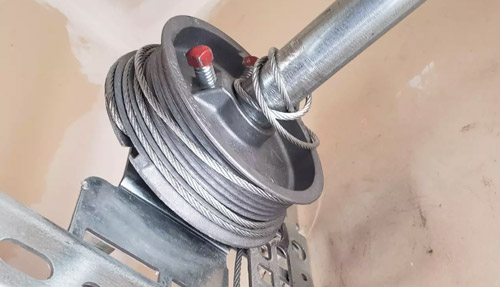
Torsion Spring Cables: Engineered for systems with overhead torsion springs, these heavy-duty cables wind and unwind around aluminum drums to lift and lower the door safely and evenly.
Extension Spring Cables: Paired with side-mounted extension springs, these cables run along the tracks and stretch via a pulley system. They are most common in garages with low-headroom clearances.
Safety Cables (Retaining Cables): These are critical safety features threaded directly through extension springs. If a high-tension extension spring snaps, the safety cable catches it, preventing severe property damage or catastrophic injury.
Emergency Release Cables: Typically featuring a red cord and handle, this cable allows you to safely disengage the automatic garage door opener, enabling you to operate the door manually during a power outage or system malfunction.
Do you have a unique setup requiring specialized variants like high-lift cables or vertical-lift cables? The experienced technicians at All Four Seasons handle all standard, rare, and custom cable configurations.
How Much Does It Cost to Replace Garage Door Cables in Atlanta?
When you hire All Four Seasons Garage Doors for a professional, warranty-backed cable replacement, your investment depends on specific variables. These include the size and weight of your garage door, its track configuration, and whether other high-tension components (like springs or drums) also require attention to ensure safe, long-term operation.
Because garage door cables operate under extreme mechanical tension, DIY replacement is highly dangerous. Our licensed, local technicians ensure the entire system is perfectly counterbalanced, aligned, and safety-tested—providing you with absolute peace of mind.
Maximize Your Value: For the ultimate long-term savings, we recommend pairing your new cables with our upgraded MaxLife springs, which are rated for up to 100,000 cycles—lasting significantly longer than standard builder-grade springs. This heavy-duty upgrade drastically reduces future repair costs and extends the lifespan of your entire garage door system.
FAQ Cable Repair
Don't see your question? Call us — honest answers, no sales pressure.