Replace Broken Rollers
Smooth and Quiet Operation for Your Garage Door
Eliminate Shaking and Noise With Heavy-Duty Upgrades
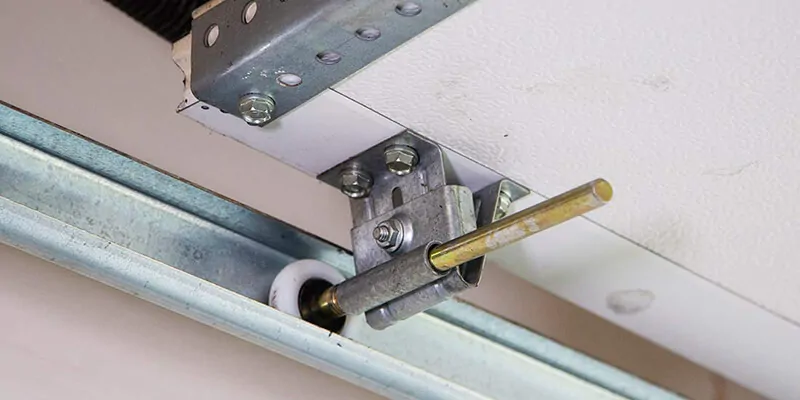
When garage door rollers wear out, crack, or lose their bearings, your door will shake, squeak, and strain the entire opener system. Ignoring worn-out rollers can eventually cause the door to pop completely off its tracks. At All Four Seasons, our certified technicians can quickly identify binding rollers and replace them with premium, high-cycle alternatives that run smoothly for years.
We replace cheap, noisy plastic or metal rollers with heavy-duty, sealed ball-bearing nylon rollers. This simple upgrade dramatically reduces operational noise and ensures your door glides effortlessly along the tracks. Let our expert Atlanta team handle the replacement safely to extend the lifespan of your garage door tracking and motor.
Is your garage door screeching or shaking? Protect your tracks from expensive damage. Call All Four Seasons today at (678) 981-8454 for an instant roller upgrade.
Key Signs Your Garage Door Rollers Need Attention
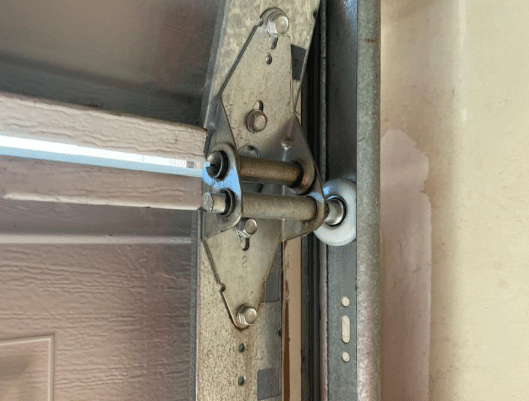
Excessive Noise During Operation: Persistent squeaking, grinding, scraping, or rattling sounds are a clear indicator of dry, cracked, or flattened rollers. Quiet garage doors rely on smooth rolling; noise means friction is damaging your system.
Visible Wear and Tear: Inspect your hardware. If you notice cracked plastic, rusted steel, warped wheels, or loose ball bearings, your rollers are reaching the end of their lifespan and risk popping out of the garage door track.
Jerky, Shaking, or Uneven Movement: If your overhead door shakes, tilts, or moves in a halting, jerky motion, faulty rollers are likely disrupting its travel. This imbalance can eventually misalign the entire track system.
Sticking or Slow Response: A garage door that jams midway or feels incredibly heavy often has rollers that are clogged with dirt and debris, or completely worn down after surpassing their cycle rating.
Comparing Types of Garage Door Rollers
Choosing the right replacement rollers depends on your door’s weight, how often you use it, and your noise tolerance. Upgrading to high-quality parts can drastically extend the life of your garage door system.
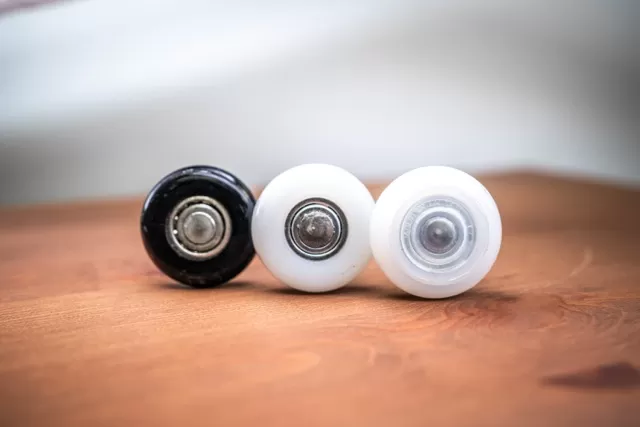
Premium Nylon Rollers (Our Top Choice): These are the gold standard for modern garage doors. Featuring sealed ball bearings, nylon rollers offer whisper-quiet operation, require no lubrication, and are completely rust-proof. Rated for 50,000 to 100,000 cycles, they are the ideal long-term investment for busy households.
Standard Steel Rollers: While highly durable and capable of supporting heavy or custom wood garage doors, unsealed steel rollers require frequent lubrication. Over time, they can become incredibly noisy and are prone to rusting in humid climates.
Basic Plastic Rollers: Often installed as standard builder-grade parts on new homes, these lack bearings entirely. They crack easily under temperature shifts, degrade quickly, and typically last only 5,000 to 10,000 cycles before requiring replacement.
Pro Tip from the Experts: Always replace all garage door rollers at the same time. Mixing old and new rollers creates uneven weight distribution, accelerated wear, and balance issues that strain your torsion springs.
Key Signs Your Garage Door Rollers Need Attention
Excessive Noise During Operation: Persistent squeaking, grinding, scraping, or rattling sounds are a clear indicator of dry, cracked, or flattened rollers. Quiet garage doors rely on smooth rolling; noise means friction is damaging your system.
Visible Wear and Tear: Inspect your hardware. If you notice cracked plastic, rusted steel, warped wheels, or loose ball bearings, your rollers are reaching the end of their lifespan and risk popping out of the garage door track.
Jerky, Shaking, or Uneven Movement: If your overhead door shakes, tilts, or moves in a halting, jerky motion, faulty rollers are likely disrupting its travel. This imbalance can eventually misalign the entire track system.
Sticking or Slow Response: A garage door that jams midway or feels incredibly heavy often has rollers that are clogged with dirt and debris, or completely worn down after surpassing their cycle rating.
FAQ Replace Broken Rollers
Don't see your question? Call us — honest answers, no sales pressure.